

If you are fitting out a private pontoon, a berth, or the edge of a marina, the fenders you bolt to the structure do a very different job from the ones you hang off your boat. Permanent dock fenders take repeated impact, tidal movement and daily mooring wear for years on end, so choosing the right profile and size matters. This guide compares the three most popular Polyform dock fenders — the MF44, MF60 and MBF150 — and explains how to size and space them for reliable, gap-free protection.
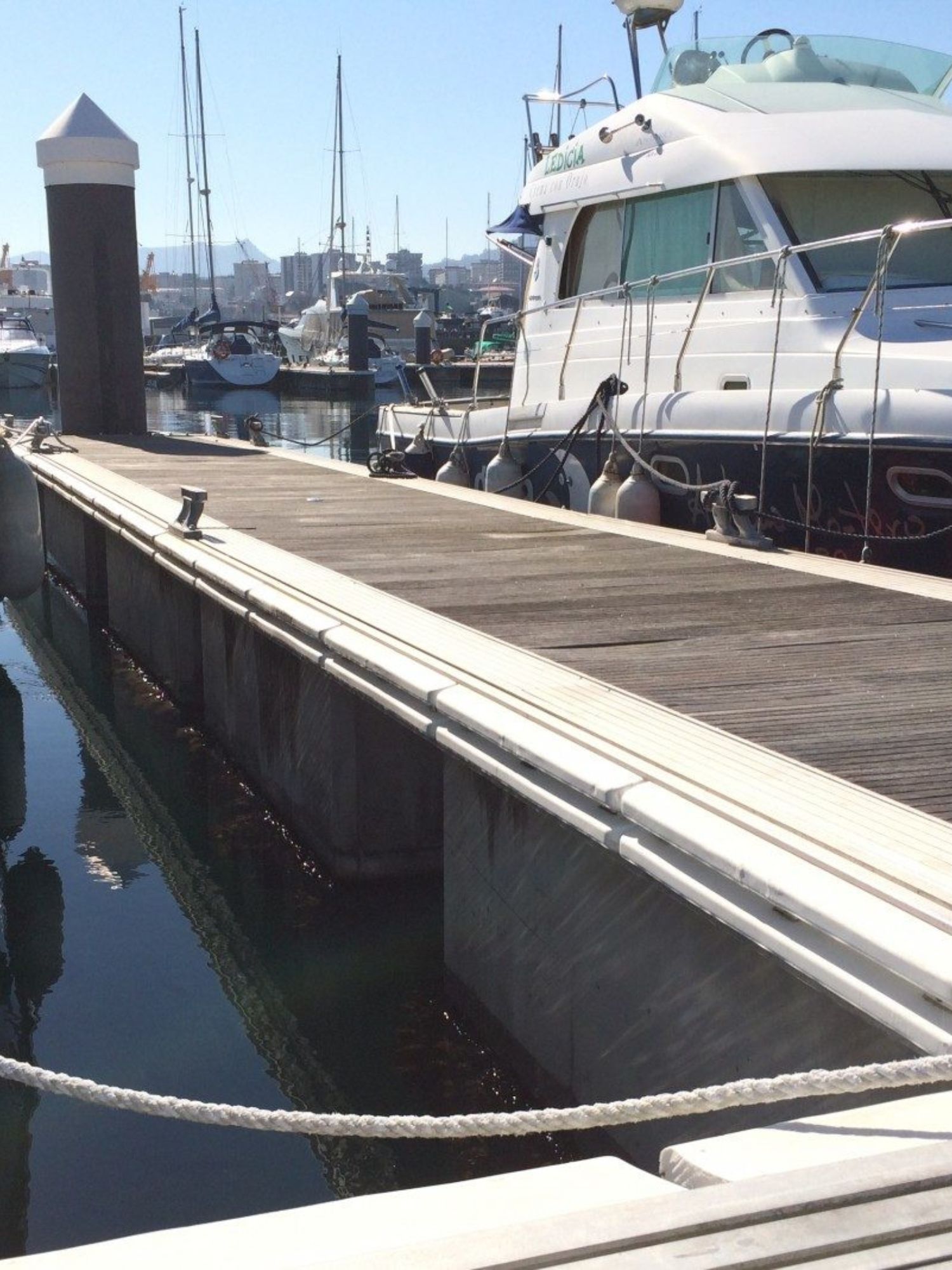
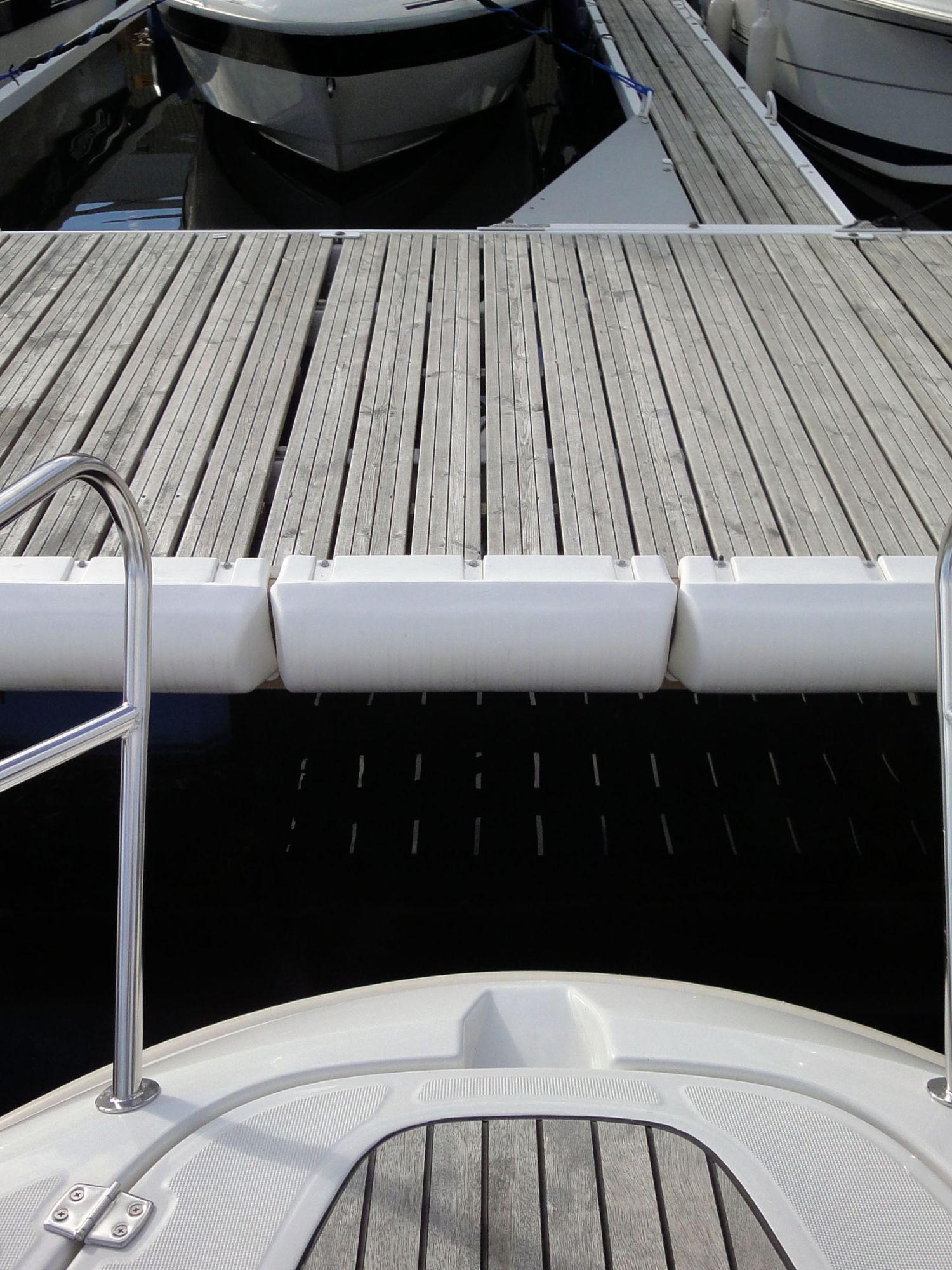
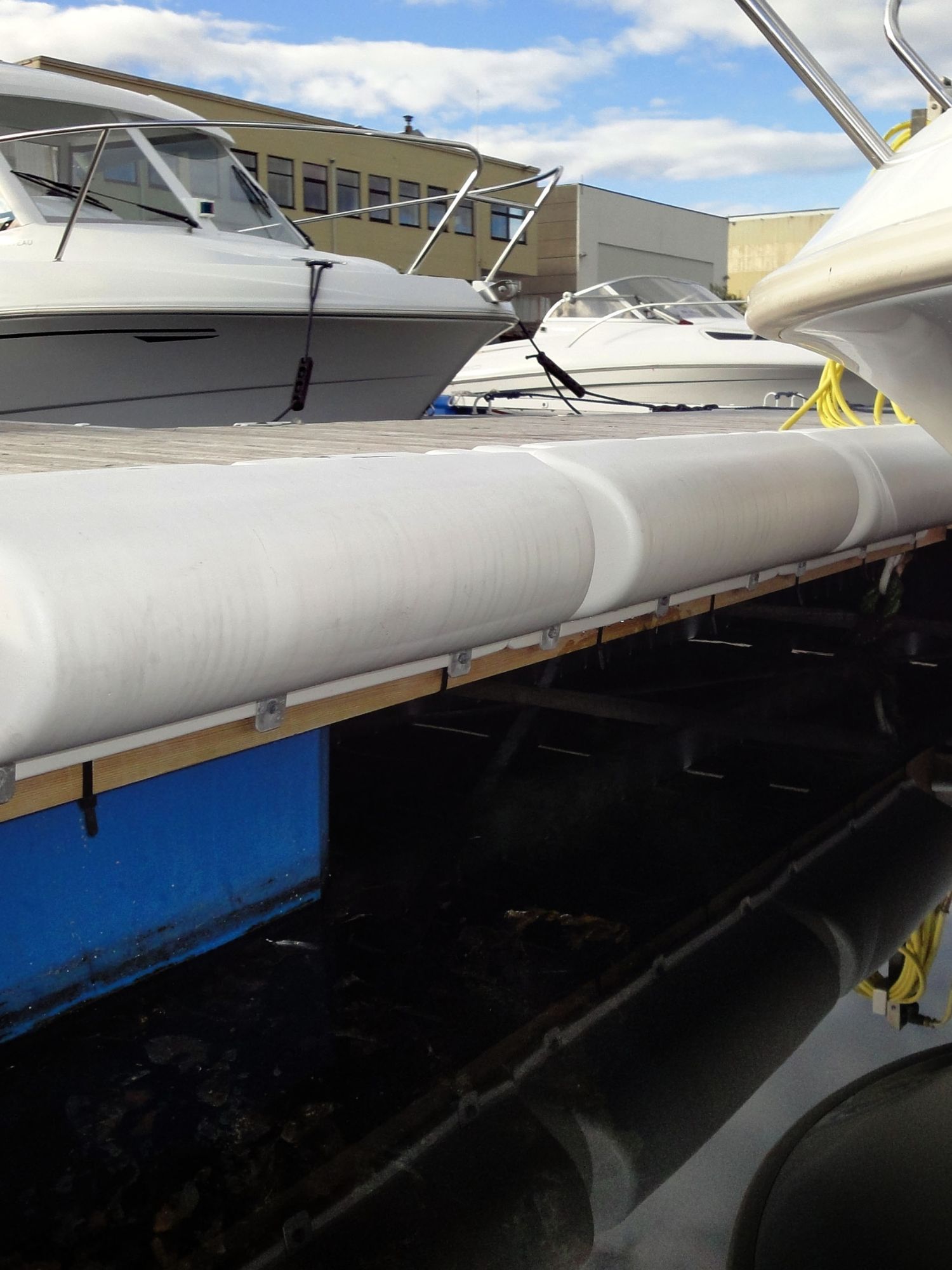
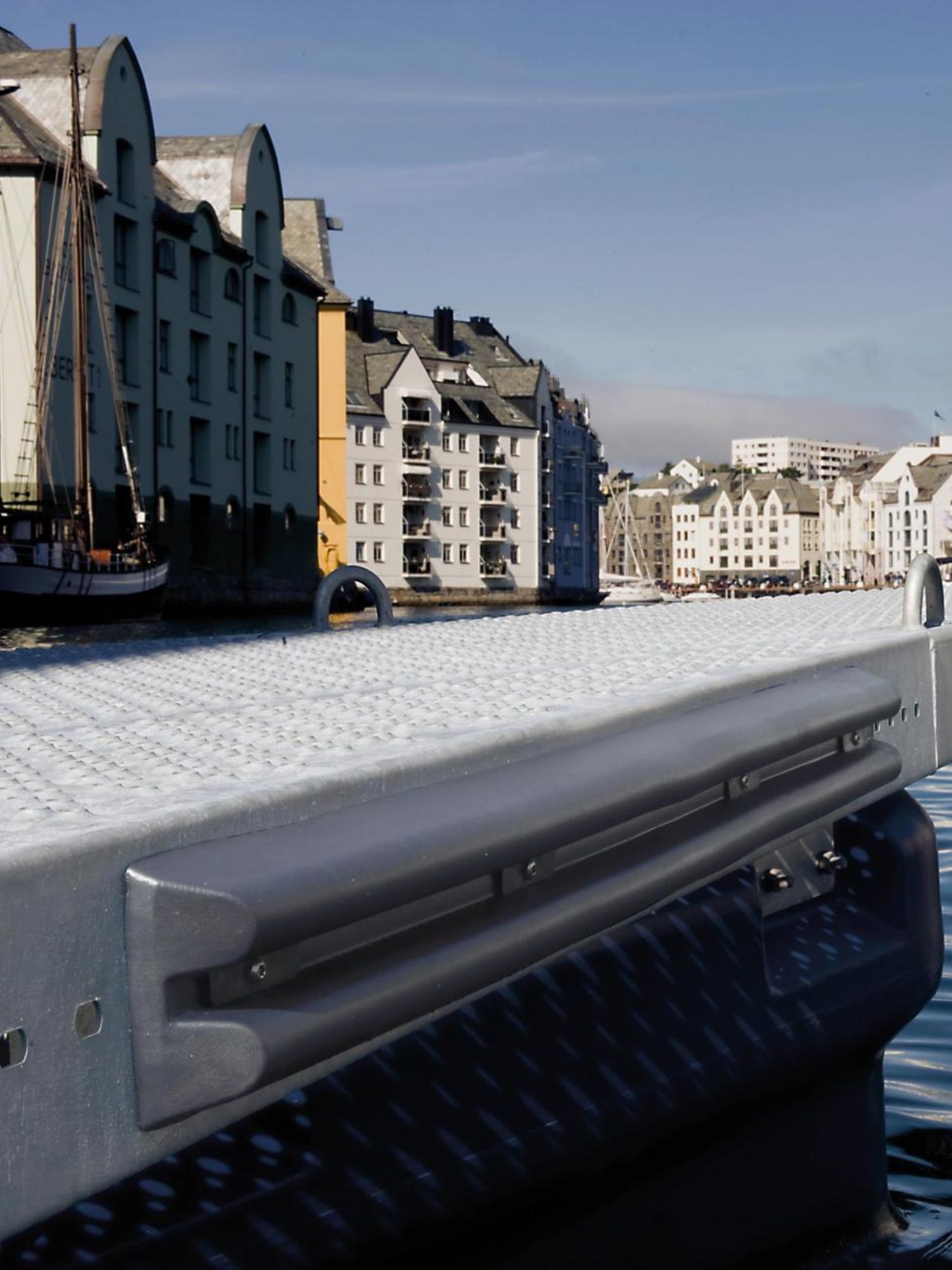
Dock fenders — also called marina fenders — are protective profiles fitted permanently to pontoons, berths and dock edges. Rather than being tied to a boat, they bolt to the structure and stay in place, absorbing impact from vessels coming alongside. They are the extra layer of protection for those moments when a berthing does not go entirely to plan, and they save both your hull and the dock itself from damage.
Polyform MF and MBF dock fenders are made in Norway from high-grade, UV-resistant marine polyethylene, built to shrug off years of outdoor exposure and heavy, repeated impact. Cheaper alternatives tend to crack under load and degrade in sunlight, which is why quality dock fenders are the standard choice for marinas worldwide. You can see the full range on the Boat Fenders Direct marina fender page.
The first decision is profile, and it comes down to two families:
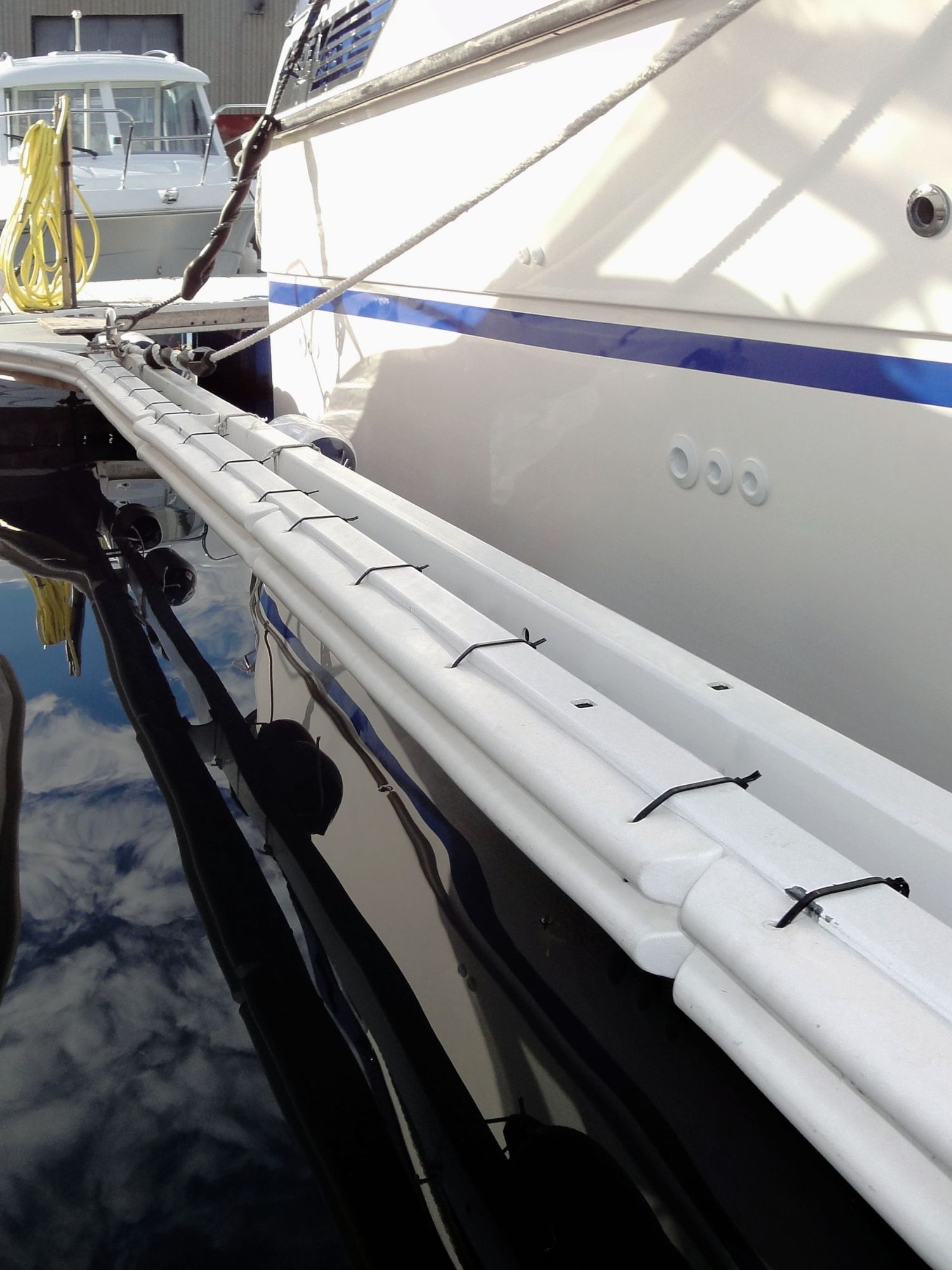
The simplest way to remember it: MBF is for straight edges, MF is for straight. edges, corners and bows. Most installations use MBF fenders along the main run and MF bumpers on the exposed corners.
The real difference between Polyform dock fenders and cheaper plastic alternatives is what they are made of. Instead of hollow moulded plastic, the MF and MBF range uses BACELL — Polyform’s own patented, 100 percent closed-cell foam that has been proven in professional marine use for more than 30 years. It behaves more like a dense, shock-absorbing memory foam than a rigid plastic, and that changes both how the fender performs and how long it lasts.
The practical upshot is a noticeably longer service life than plastic-based alternatives, and far less risk of the fender itself failing at the worst possible moment. It is exactly why BACELL fenders are trusted in commercial marinas, harbours and ferry terminals worldwide.
Why It Matters
A hollow plastic fender that cracks or splits stops protecting anything the moment it fails — often without warning. Because BACELL is solid closed-cell foam, even a damaged fender keeps doing its job, which is a real advantage on a permanent installation you do not want to be checking constantly.
Here is how the three main models stack up on size and intended use:
| Model | Profile | Size | Best For |
|---|---|---|---|
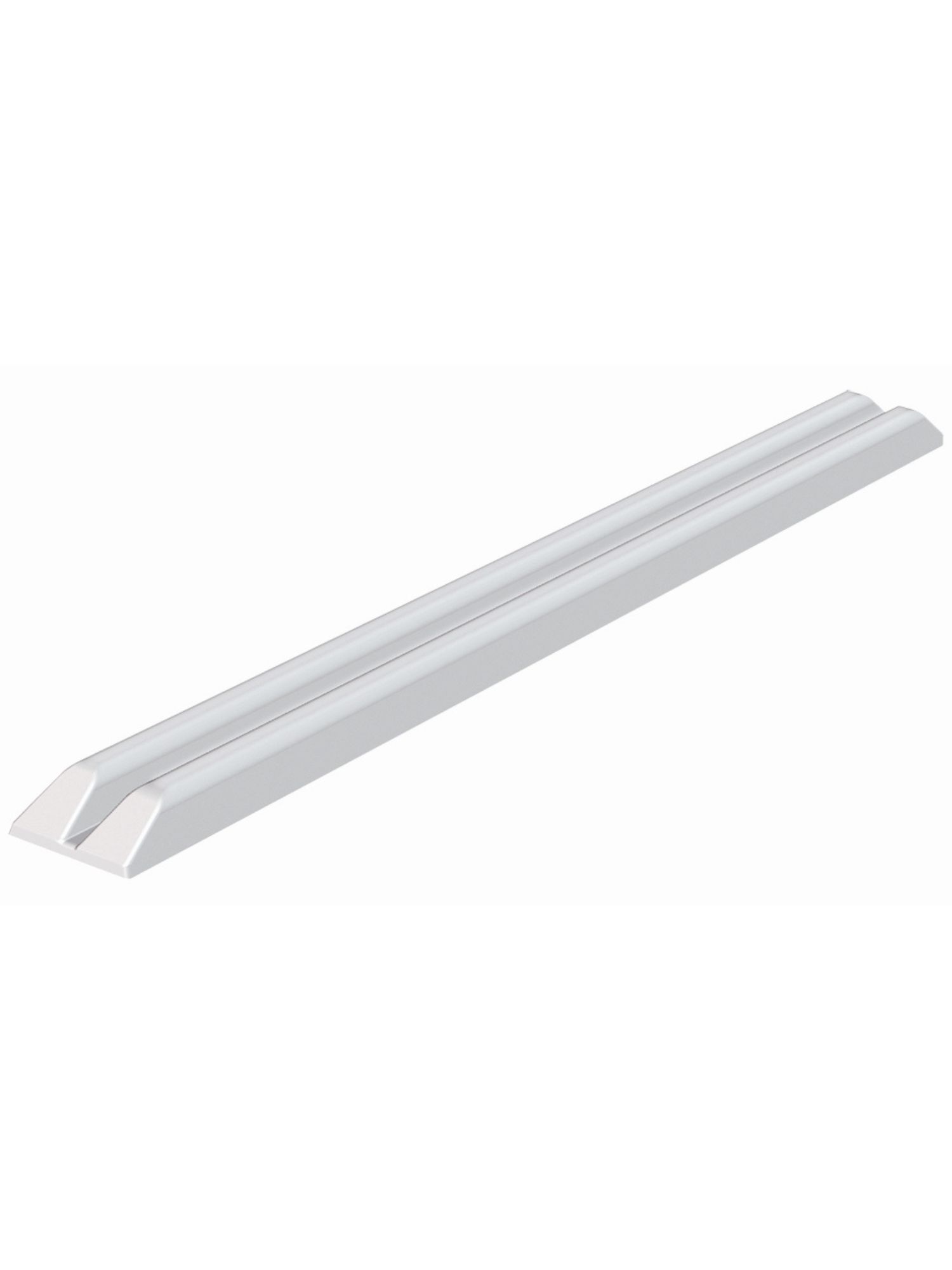
| MF44 | Flat-backed | 940mm(L) x 85mm(H) | Small leisure boats up to approx. 8m |
| MF60 | Flat-backed | 1000mm(L) x 140mm(H) | Mid-size boats, approx. 8 to 12m |
| MBF150 | Rounded bumper | Heavy-duty corner unit | Corners, bows, commercial and high-traffic docks |
The MF44 is the compact, budget-friendly choice for private pontoons and dinghies. The MF60 steps up the projection and cushioning for cruisers and heavier craft, while the MBF150 marina bumper handles the punishment of commercial berths.
Sizing your dock fenders depends on three factors: the size and displacement of the vessels using the berth, the type of berth (a quiet private pontoon versus a busy commercial marina), and the exposure of the site to tide, wind and current. Heavier boats and more exposed, higher-traffic locations call for larger, more heavily built fenders.
As a rule of thumb, choose the MF44 for small leisure boats up to around 8 metres, the MF60 for mid-size craft in the 8 to 12 metre range, and step up to heavy-duty MBF units for commercial or high-traffic docks and for protecting corners. If you find yourself between sizes, size up — under-specified fenders wear out faster and offer less protection when it matters.
Tip
Think about the lowest state of tide as well as the highest. A fender mounted too high will sit above a boat’s rubbing strake at low water, leaving the hull unprotected exactly when the freeboard difference is greatest. Plan your fixing height around the full tidal range.
Spacing is where many DIY installations fall short. As a general guide, dock fenders should sit no more than 1 to 1.5 metres apart, and high-traffic or commercial docks often need tighter spacing than that. The aim is continuous protection with no gaps where a hull can make direct contact with the dock structure between fenders.
Pay particular attention to the ends of pontoons and any corners, which take the heaviest and most awkward-angled hits. This is exactly where the rounded MBF bumper earns its place, wrapping the edge that a flat MF fender would leave exposed.
Warning
A dock fender is only as strong as its fixing. Bolt-through mounting must land on sound, load-bearing structure — not soft or rotten timber. On weak substrates, add backing plates or spreader washers so an impact cannot pull the bolts straight through. A fender that tears off in a collision protects nothing.
Polyform MF and MBF fenders are designed for straightforward bolt-through installation onto wooden pontoons, concrete dock walls and steel or aluminium structures, with pre-moulded fixing points to make mounting simpler. For a small private pontoon the job is well within the reach of anyone with basic tools; for large or commercial installations, professional fitting is worth considering, as correct spacing and alignment are critical to effective protection. Polyform also provide an official installation video that shows the process clearly.
Before drilling anything, mark out where each fender will go. Position MF fenders along the straight runs at no more than 1 to 1.5 metres apart, and set an MBF bumper at every corner and pontoon end. Dry-lay or chalk the positions first so you can check the whole berth gives continuous protection with no gaps where a hull could reach the structure.
Fix the fenders at a height that keeps them in contact with the hull’s rubbing point across the full tidal range. On tidal berths, check the position at both high and low water so the fender does not ride above or below the boat’s rubbing strake at the extremes. The aim is for the fender to take the load on the hull, not for the hull to bear on the dock edge above or below it.
Hold each fender in place and mark through the pre-moulded fixing points onto the structure. Drill the holes to suit your bolts, keeping them square and true so the fender sits flush against the surface. On timber, seal any exposed end grain; on steel or aluminium, remove burrs and treat bare metal to prevent corrosion around the fixing.
Fasten each fender with through-bolts into load-bearing structure, using stainless or hot-dip galvanised fixings suited to the marine environment. On weaker substrates, add backing plates or large spreader washers on the reverse so an impact cannot pull the bolts through. Tighten firmly and evenly so the fender is held solid with no rock or lift at the edges.
Mount the MBF bumpers to the corners and exposed ends using the same bolt-through method, making sure the rounded profile wraps the edge fully. Once everything is fixed, walk the berth and confirm the run is continuous, the spacing is even, and every fender is solidly attached. For the full method with visuals, see our dedicated Polyform marina fender installation guide.
Norwegian-made MF44, MF60 and MBF150 dock fenders — heavy-duty, UV-resistant, UK stock with fast delivery
Totals
Have a coupon code?